







Search Results for: tea soup mouthfeel

Luckin launches new Marble Iced Americano, real-life appearance mocked as looking like tofu pudding and spicy soup
In Starbucks' secret menu, the iced Americano with heavy cream, where the cream sinks to form white streaks, is called a Marble Americano. This way of drinking it originates from Con Panna and Viennese coffee. Luckin recently quietly launched three new drinks, one of which is precisely the Marble Americano, with promotional images that look quite appealing, attracting many consumers to try it early in the morning. However, the actual product differs noticeably from the promotion, with the cream in the coffee taking on forms like egg drop soup, tofu pudding, or spicy soup, and netizens jokingly calling it a bait-and-switch. This article sorts out the recipe differences, actual appearance, and taste feedback of this new product, and includes related recommendations from Front Street Coffee. [more…]
A Comprehensive Analysis of Mandheling Coffee Beans: Flavor Characteristics, Differences from Golden Mandheling, and Drinking Methods Suitable for Women
As the most representative coffee variety from Sumatra, Mandheling has enjoyed enduring popularity in the Asian market thanks to its low acidity and full-bodied taste. This article begins with the origins of the name Mandheling, traces the hierarchy of contempt in the minds of older generations of coffee lovers, clarifies the essential differences between Golden Mandheling and Aged Mandheling, and takes a deep dive into the sources of its smooth, mellow flavor, its distinctive dark-roast method, and the two best ways to prepare it: cold brew and espresso. It also addresses common questions such as whether Mandheling is suitable for women to drink and whether pour-over Mandheling is acidic, and recommends Front Street Coffee's Mandheling products for readers to consider purchasing. [more…]

Seven-Point-Sweet Mango Pomelo Sago Specialty Store Debuts in Shanghai: Can Three Items Alone Continue the Hit-Making Legend?
Mango Pomelo Sago evolved from a Cantonese sweet soup into a cup drink, and with this single item, 7FenTian opened more than 1,500 stores nationwide. On September 30, the brand launched its first Mango Pomelo Sago specialty store in Longemont, Changning, Shanghai, selling only three products priced at 15-20 yuan. In the first week after opening, sales exceeded 10,000 cups and daily revenue surpassed 25,000 yuan. The store features a minimalist wood-toned style and emphasizes fresh handcrafting. However, consumer reviews were mixed: some praised it as the best Mango Pomelo Sago, while others criticized it for too much sago, a strong jam flavor, and insufficient complexity. Whether the specialty store model can sustain the hit product's vitality is worth watching. [more…]
Analysis of the Aroma Profile Characteristics of Shiguping Oolong Tea: How It Differs from Wenshan Baozhong and Phoenix Dancong
Shiguping, also known as Shiguping or Shiguping, is a little-known village in Bu County in the Fenghuang mountain area. The oolong tea produced here has an ancient and unique variety, and is even considered one of the origins of Minnan and Taiwan oolong tea. Compared with Fenghuang Dancong and Wenshan Baozhong, Shiguping oolong is more deeply fermented, with a more mature aroma, honey and fruity notes, and a round, full mouthfeel. This article will guide you through the true characteristics of Shiguping oolong, its aroma type classification, and its differences from Wenshan Baozhong and Fenghuang Dancong, and will also explore why this traditional fine tea is now scarce in production. Front Street Coffee recommends that you savor this rare oolong forgotten by time. [more…]
A Comprehensive Analysis of Professional Tea Tasting Techniques: How to Properly Use Your Tongue and Mouth to Perceive Tea's Aroma, Mouthfeel, and Aftertaste
To truly appreciate the complex layers and subtle flavors of a fine tea, ordinary brewing is far from enough—you also need a refined tasting method. This article covers everything from choosing utensils and controlling water temperature to the actual drinking motions, explaining in detail how professional tea tasters use "slurping" to let the tea fully contact the air, thereby releasing more aroma; at the same time, it teaches you how to assess the body of the tea, the changes in flavor, and the length of the finish after swallowing. The article also mentions that this slurping method is equally common in coffee cupping, and Front Street Coffee applies a similar principle when evaluating coffee beans. Whether you are a tea enthusiast just starting out or a seasoned lover, these techniques can help you experience the full pleasure that tea has to offer. [more…]
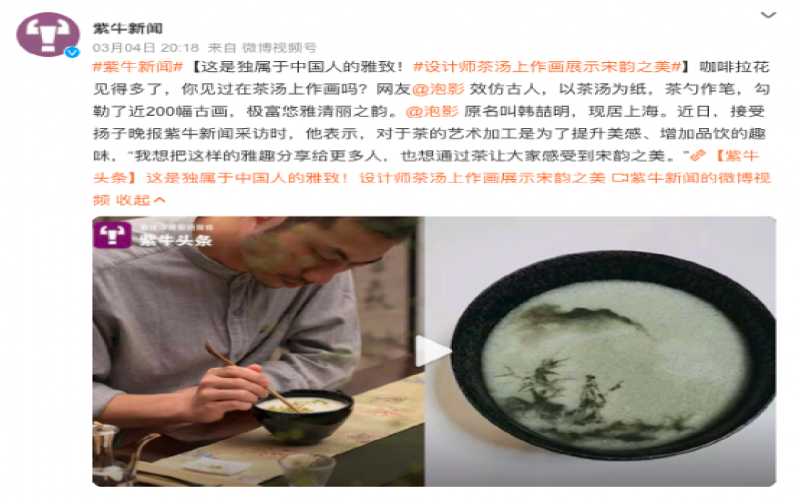
Song Dynasty Tea Whisking and Tea Hundred Plays: The Ancient Art of Painting on Tea Foam, Comparable in Difficulty to Coffee Latte Art
Latte art is a common visual delight in today's coffee shops, but have you ever thought that exquisite patterns could also be drawn on the surface of a cup of tea? "Tea hundred opera" in Song Dynasty tea whisking is exactly such an ancient skill. Recently, a Shanghai graphic designer hit the trending searches for painting Chinese paintings on tea infusion. He grinds white tea, pours water seven times and whisks, then uses tea paste to outline ancient paintings on the dense tea foam. The whole process must be completed within ten minutes. What is the difference between tea hundred opera and latte art? What are the differences between ancient painting methods and modern improvements? This article will guide you through the process of Song Dynasty tea whisking, the term "biting the cup" in tea competitions, as well as the historical records and operational details of tea hundred opera, while retaining the professional recommendation of Front Street Coffee. [more…]

Luckin Coffee's Honor of Kings collaboration launches a tamarind Americano, and netizens mistaking it for pickled long beans sparks heated discussion
Luckin Coffee's collaboration with the mobile game Honor of Kings has not yet officially launched, but a new product called "Tamarind Americano" has already sparked discussions on social platforms ahead of time. Many netizens, upon first hearing the name, mistook it for pickled string beans added to coffee and blurted out "dark cuisine"; later, a Yunnan netizen clarified that tamarind is actually a common local fruit, often used to make beverages, and has long been paired with coffee. However, after the full name "Pain Mask · Tamarind Americano" was revealed, it triggered consumer worries about the taste. Whether this collaboration drink is a pleasant surprise or a flop will only be known after it hits the market. [more…]
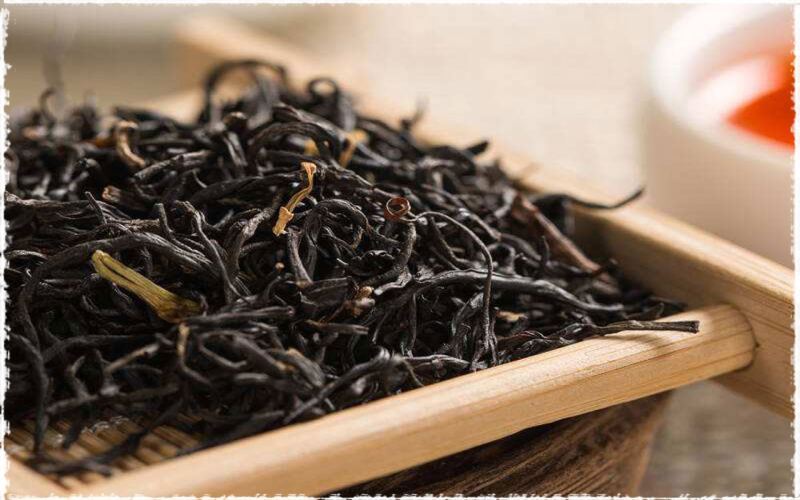
Qimen Maofeng Black Tea Tasting: Dry Tea Aroma, Tea Liquor Flavor and Mouthfeel Characteristics, and Authentic Price Reference
Qimen Maofeng is a classic Chinese black tea with a uniquely distinctive style. Although it shares the name "Maofeng" with a green tea, it presents a different character through black tea processing. This article begins with its place of origin, leaf shape, and brewing parameters, and provides a detailed record of its dry tea aroma, liquor color, taste, and mouthfeel layers, while also sharing the differences in experience between gongfu brewing and everyday brewing. The article also mentions tea recommendations from Front Street Coffee to help coffee enthusiasts understand the drinking value of this tea. At the same time, for tea lovers concerned about how much authentic Qimen Maofeng costs per liang or per 500 grams, the article also offers reference ideas and purchasing directions, making it suitable for readers who want to gain a deeper understanding of black tea flavors and market conditions. [more…]
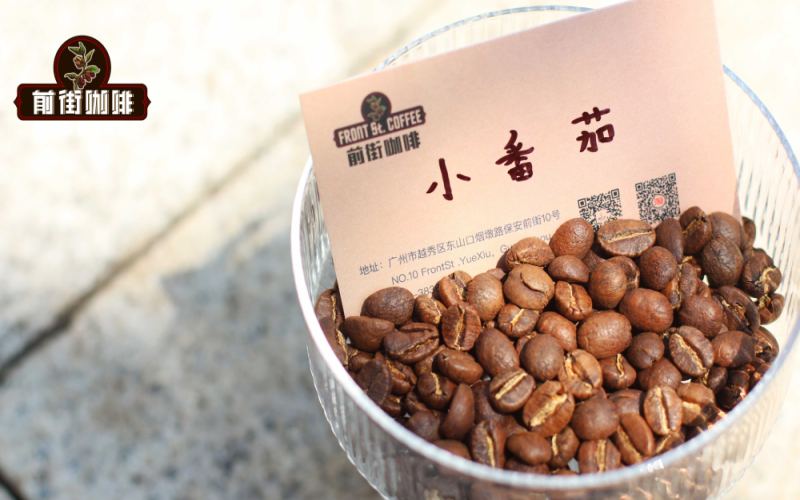
Cold brew coffee tutorial | Which single-origin beans to choose for making iced coffee at home? Specialty coffee beans recommended for cold brew by experienced coffee enthusiasts
In such hot weather, of course you have to drink your coffee iced. But for someone at Front Street Coffee who can never make up their mind, with so many types of iced coffee on the market—cold brew, ice drip, nitro coffee, Japanese-style iced coffee—how exactly should you choose? We all know that iced coffee generally uses low-temperature extraction, which is slow, but in terms of flavor, by [more…]

Exploring Ethiopia's Sidama Region: A Complete Flavor Analysis from Huakui to Yirgacheffe
Sidamo, as an important coffee-producing region in southern Ethiopia, nurtures richly layered floral and fruity flavors thanks to its diverse microclimates and processing methods. This article begins with an overview of the region, introduces two representative coffees—Front Street Coffee's natural Huakui and Front Street Coffee's natural Hamasho—analyzes the green bean characteristics and flavor tendencies of Sidamo, and extends to Yirgacheffe, which also belongs to this area, helping coffee enthusiasts build a systematic understanding of Ethiopian specialty coffee. [more…]
Pour-Over Beans from High-Altitude Regions: Why Are Floral and Fruity Notes Clearer?
When drinking pour-over coffee, have you ever noticed a pattern: those beans with particularly clear floral and fruity notes often come from high-altitude origins. Between altitude and flavor lies a very interesting causal chain—once you understand it, your eye for choosing beans will become much sharper. The reason high-altitude growing regions produce good flavor is first of all temperature. [more…]
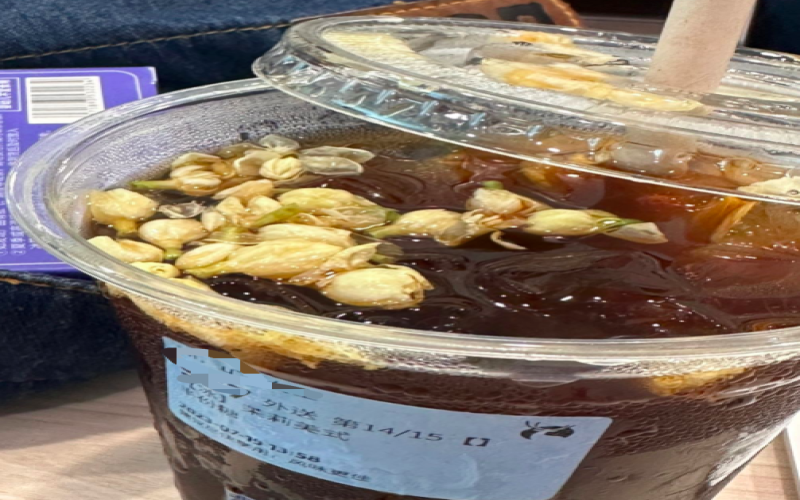
Luckin Jasmine-Scented Americano Relaunched, Intense Jasmine Aroma Sparks Divided Opinions
Last summer, Luckin Coffee launched a jasmine Americano that was hastily taken off the menu just four days after its debut, sparking plenty of speculation. Now this tea-coffee hybrid has returned under the name "Jasmine Aroma Americano," still made with a blend of double-petal jasmine tea infusion from Hengzhou, Guangxi, and coffee liquid, but without the dried jasmine flowers that once garnished the cup. The relaunched product quickly set off a check-in craze, with endless discussion on social media. Some praise its rich floral aroma and find it smoother than last year's version, while others complain it tastes too heavily of artificial flavoring, like something you'd smell in household products. Is this tea-coffee drink—"all aroma, no flower"—a sincere comeback or just a pale imitation? Let's take a look at the real feedback from the first wave of tasters. [more…]

Luckin pushes tea brewing machines heavily but gets the cold shoulder from stores: the efficiency dilemma behind freshly extracted tea
Luckin Coffee's light milk tea series, which sold well last year, has recently undergone a comprehensive upgrade, with the core change being the replacement of the previous tea powder with freshly extracted tea. To this end, the brand equipped more than 20,000 stores nationwide with tea extraction machines. However, after the new products were launched, some stores wrapped this machine in plastic wrap, affixed prohibitive labels, or even left it untouched in the warehouse. What exactly is the reason that makes employees shy away from the equipment the company is vigorously promoting? From the burden of cleaning and material waste to differences in store order volumes, what kind of awkward situations has this tea extraction machine encountered in actual operations? This article takes you to find out. [more…]
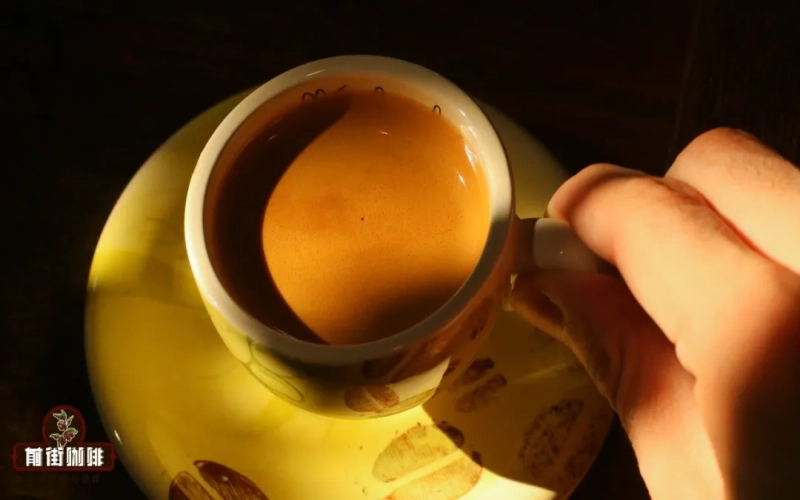
The Real Relationship Between Espresso Crema Thickness and Body, a Professional Interpretation of Mouthfeel Differences
Many coffee enthusiasts observe a thick layer of golden-brown crema floating on the surface when extracting espresso, yet it tastes unexpectedly thin, with little body. So, does the thickness of the crema directly determine the richness of an espresso? This article will start from the formation principles of crema, analyze its actual relationship with body, and reveal the differences in mouthfeel through comparative experiments. At the same time, we will also introduce a Front Street classic blend that produces rich crema, helping you better understand and choose. [more…]
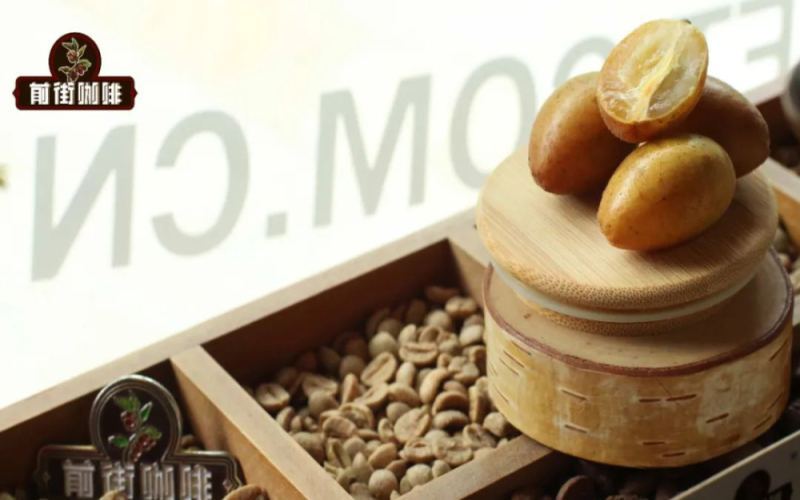
How to Make a Delicious Wampee Iced Americano? Three Special Recipes: Sparkling, Jasmine Tea, and Preserved Plum Iced Shake Detailed Tutorials
In the height of summer, wampee, a niche southern fruit, has become a popular partner for homemade iced coffee thanks to its sweet-and-sour juiciness and uniquely fresh aroma. Through repeated testing, Front Street Coffee has put together three distinctly different wampee iced americano recipes: the original wampee sparkling americano uses sparkling water to amplify the fruit aroma and add a more refreshing layer; the jasmine tea wampee americano blends homemade jam with a cold-brewed tea base for a soft fragrance; and the wampee preserved plum iced shaker americano targets those who dislike sweetness, using preserved plum water and a shaker to create a sugar-free version. All three recipes use Front Street Sunflower Warm Sun espresso blend, extracting 40g of coffee liquid from 20g of grounds in 31 seconds. Below, we break down the ingredients, steps, and production details one by one to help you find the cup that best suits your taste. [more…]

From Clay Pots and Purple Clay to Double Boiling: How Chinese-Style Coffee Forges Its Own Path by Drawing on Local Vessels and Culinary Wisdom
While the milk tea world perfectly combines ritual and local ingredients with jar-brewed milk tea, the coffee world's "new Chinese style" frequently sparks controversy due to its bizarre pairings. In fact, China's rich cooking techniques and tea-brewing methods can absolutely serve as sources of inspiration for the localization of coffee—double-boiled coffee, purple clay pot steamed coffee, and Macau clay pot coffee. These attempts all use principles such as low-temperature slow extraction and even heating to give coffee a smoother, richer flavor. This article reviews the practices of these Chinese-style coffee schools, explores how innovation can stay rooted in the soul of coffee, and offers new ideas for the local expression of specialty coffee. [more…]
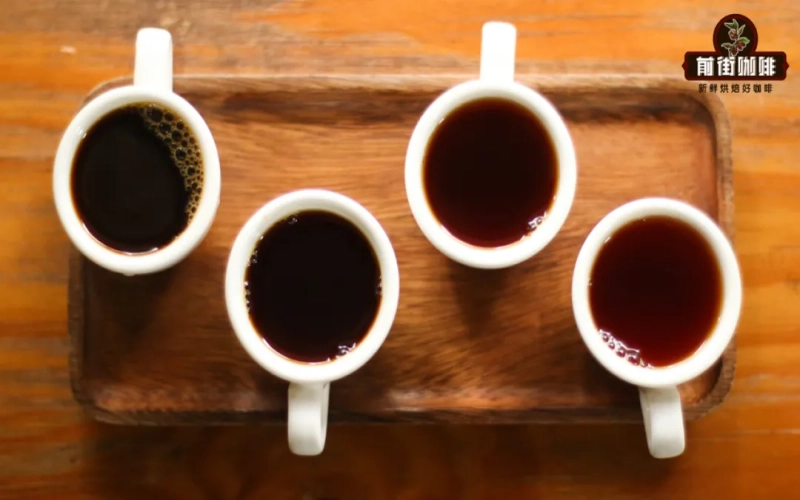
Why Does Hot Coffee Taste Different After It Cools? Analyzing the Differences Between Hot and Cold Coffee from the Perspectives of Taste Perception and Aroma Loss
Many people are used to being told that coffee should be drunk while it is hot, because once it cools, the flavor seems to deteriorate. But what exactly happens to coffee after it cools? How does temperature affect our perception of bitterness, acidity, and sweetness? What roles do aroma loss and the congealing of oils play? Starting from a tasting case of Front Street Hamashu, this article explains the real reasons why the taste of hot coffee changes as it cools, and clarifies that not all coffee tastes bad when it goes cold. If you also want to improve your tasting ability, the article also recommends several Front Street single-origin beans with highly distinctive flavors, helping you experience the full character of coffee at different temperatures. [more…]
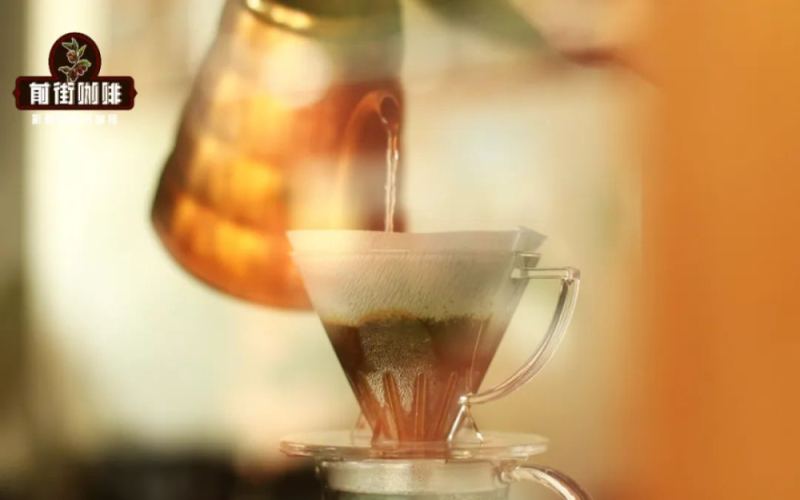
What Happens If You Brew Coffee with Boiling Water? What Is the Ideal Pour-Over Water Temperature, and Is 92°C a Hard Rule?
Water temperature is a key variable in controlling the pace of coffee extraction. Most brewing guides set the recommended range at 86–93°C, and very few people dare to use water below 80°C or above 95°C on coffee. So what happens if you boil water and brew with it directly? This time, Front Street Coffee selected a medium-light roast Colombia·Frontera Big Navel and a medium-dark roast Indonesia·Mandheling, using conventional temperature and boiling water for comparison, and compared concentration, aroma, and mouthfeel item by item. The article not only provides two sets of measured data, but also explains how temperature affects the release of sourness and bitterness, as well as the suitable water temperature ranges for light roasts and dark roasts respectively, helping you understand whether 92°C is really a hard standard that must be followed. [more…]
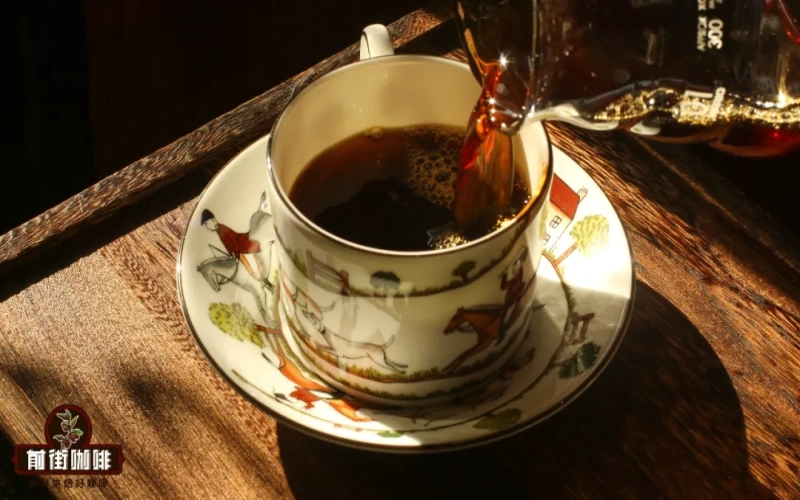
How long can the flavor window of pour-over coffee be extended if stored in a thermos? Which coffee beans are suitable for drip brewing?
Freshly brewed hot coffee often has a peak flavor window of less than an hour—once the aroma dissipates and the temperature drops, the taste degrades significantly. This is a common frustration for many coffee lovers. Is there a way to make coffee stay delicious for longer? The answer is to pour it into a thermos. The combined effects of sealing and insulation can significantly slow aroma loss and temperature decline, extending the enjoyable period to two or three times its original length. Front Street Coffee once conducted a test with Panama Boquete Geisha, and the results showed that coffee in a thermos performed excellently for the first two hours, began to decline noticeably by the third hour, and after about three hours was almost only flat. Of course, a thermos is not a cure-all—coffee stored too long in the bottle still carries a risk of bacterial growth, so drinking it as soon as possible is best. This article will explain from three aspects: principles, experiments, and practical suggestions. [more…]
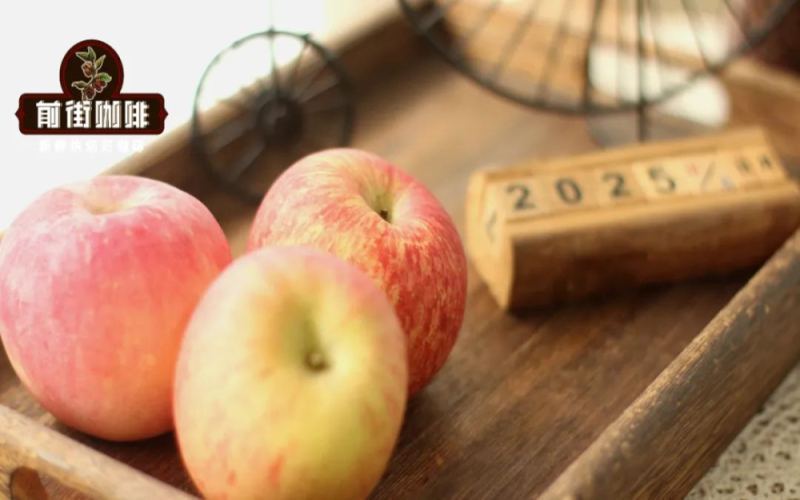
Apple Sailor Pour-Over Coffee Practical Guide: Complete Parameters and Flavor Comparison from Bean Selection to Four-Pour Technique
Using apple-infused water instead of regular drinking water to brew coffee has recently attracted considerable attention in the coffee community. Front Street Coffee conducted multiple rounds of hands-on testing on this, breaking down the feasibility and flavor performance of this approach step by step—from bean selection and apple water boiling time to pouring technique. This article provides a complete record of Front Street's brewing process and tasting results using three beans: Sidamo Santa Vini, washed Yirgacheffe, and Panama Geisha, along with a comparison against versions brewed with Nongfu Spring water, analyzing the effect of apple water's mild acidity on coffee flavor extraction, offering coffee enthusiasts a reproducible operational reference. [more…]